
Sacred Buildings | Support + Resources

Clergy either joke or bemoan, “They didn’t teach me that in seminary.” I learned a lot in seminary about caring for people in hard times, the ministry and ethics of biblical interpretation, and crafting a thoughtful worship service. I did not learn about overflowing toilets, falling plaster ceilings, and historic preservation. If you, like me, are learning on the job and could use a little help, keep scrolling for a quick primer on historic preservation for sacred sites.
As always, if either my spouse or I can be of help, there’s a little info about us HERE.
Knowing where to find resources and funding are tremendous challenges for most faith communities is. While not every state or denomination offers funding for historic preservation of sacred buildings, some help does exist. Reach out with specific questions for your context.
FUNDING
-
“The National Fund” is a program of Partners for Sacred Places in collaboration with the National Trust for Historic Preservation. In their own words: “Through financial and technical support, we support healthy congregations in historic sacred places and advance the common good.”
-
Note all of their dates and deadlines before you begin.
Watch a past webinar or register to attend an upcoming webinar. Lots of questions will be answered there.
What to know: highly competitive, applications require good prep work and should not be the first step in the process of addressing deferred and ongoing maintenance of the building.
How to prepare: follow their calendar, attend the free webinars, ask good questions, and take your time pulling together all of the appplication components even if that means waiting a year to apply.
My personal word of reality: this program is highly competitive and not a panacea for your facility maintenance woes. How wonderful it exists! But not every church will be accepted into the National Fund. However, even the application process will help your congregation create a roadmap for capital projects and a potential capital campaign.
-
Includes:
Other Funding Sources
Techniques & Tools
Project Planning
Pipe Organs & Cemeteries
All links and details are HERE.
The National Fund for Sacred Places
Preserving Black Churches: the African American Cultural Heritage Fund
-
From the National Trust: As the oldest institutions created and controlled by African Americans, historically Black Churches are a living testament to the achievements and resiliency of generations of American families and communities.
To preserve and uplift these historic places and the neighborhoods they serve, the African American Cultural Heritage Action Fund established the Preserving Black Churches program, a $60 million initiative backed by generous philanthropic support from Lilly Endowment Inc.
Since its first cohort in 2023, this program has assisted historically Black churches and congregations reimagine, redesign, and redeploy historic preservation to address their stewardship needs and the Black history stories they preserve.
-
-
State and local experts exist to be preservation resources in your area. Sometimes they will know about technical assistance funding or even potential grants for capital campaigns. But they will absolutely know about guidelines for your historic property, what to consider before you begin, and the potential sale of Historic Tax Credits in your state.
EXPERTISE + HTCs
-
Faith communities tend to function as islands unto themselves. Therefore, they don’t think about broader community support and resources but only look at who is in their sanctuary or at their vestry/trustee/diaconate meetings. Get to know your neighbors and ask for advice. Advice can save you time, money, and maybe even lead to funding.
-
State Historic Preservation Office or SHPO (SHIP-oh)
As the name implies, these vary state-by-state. Some SHPOs will offer helpful information and advice while others have limited-to-generous grant funding. If your building is more than 50 years old, get to know your SHPO as you build out a team of supportive partners beyond your congregation.
-
These will vary by name and may be a Trust or Foundation and not explicitly say Preservation in the name. Historic Preservation experts can help you navigate requirements in your specific area, particularly if your building or the district in which your building resides is on the National Historic Register.
These orgs will have staff who can:
recommend preservation and conservation experts to do the physical work for your capital projects or help create a building conditions assessment for your site (a road map for prioritizing capital projects)
recommend local/regional grants
speak directly to your state’s process of selling Historic Tax Credits (see the next category)
Organizations to Know (State, Local)
-
This one gets a little tricky and is best understood in conversation with your friendly, neighborhood Historic Preservationist. Yes, churches don’t pay the kinds of taxes that would allow them to personally benefit from Historic Tax Credits. However, many states allow for the sale of HTCs through a brokerage. Selling HTCs for 80-90% of their worth translates to income at the end of a capital project.
NOTE: YOU MUST LEARN THE ENTIRE PROCESS BEFORE YOU BEGIN YOUR PROJECT. HTCs REQUIRE METICULOUS DOCUMENTATION AND PHOTOS BEFORE YOUR CAPITAL PROJECT BEGINS.
-
n the Federal level, you have Historic Preservation Tax Incentives. Some states allow houses of worship to benefit from these while others do not. Talk to your SHPO (see above) for advice about the laws in your state. The amount of credit available under this program equals 20% of the qualified expenses of your rehabilitation.
-
Description text goes here
Historic Tax Credits (HTCs)
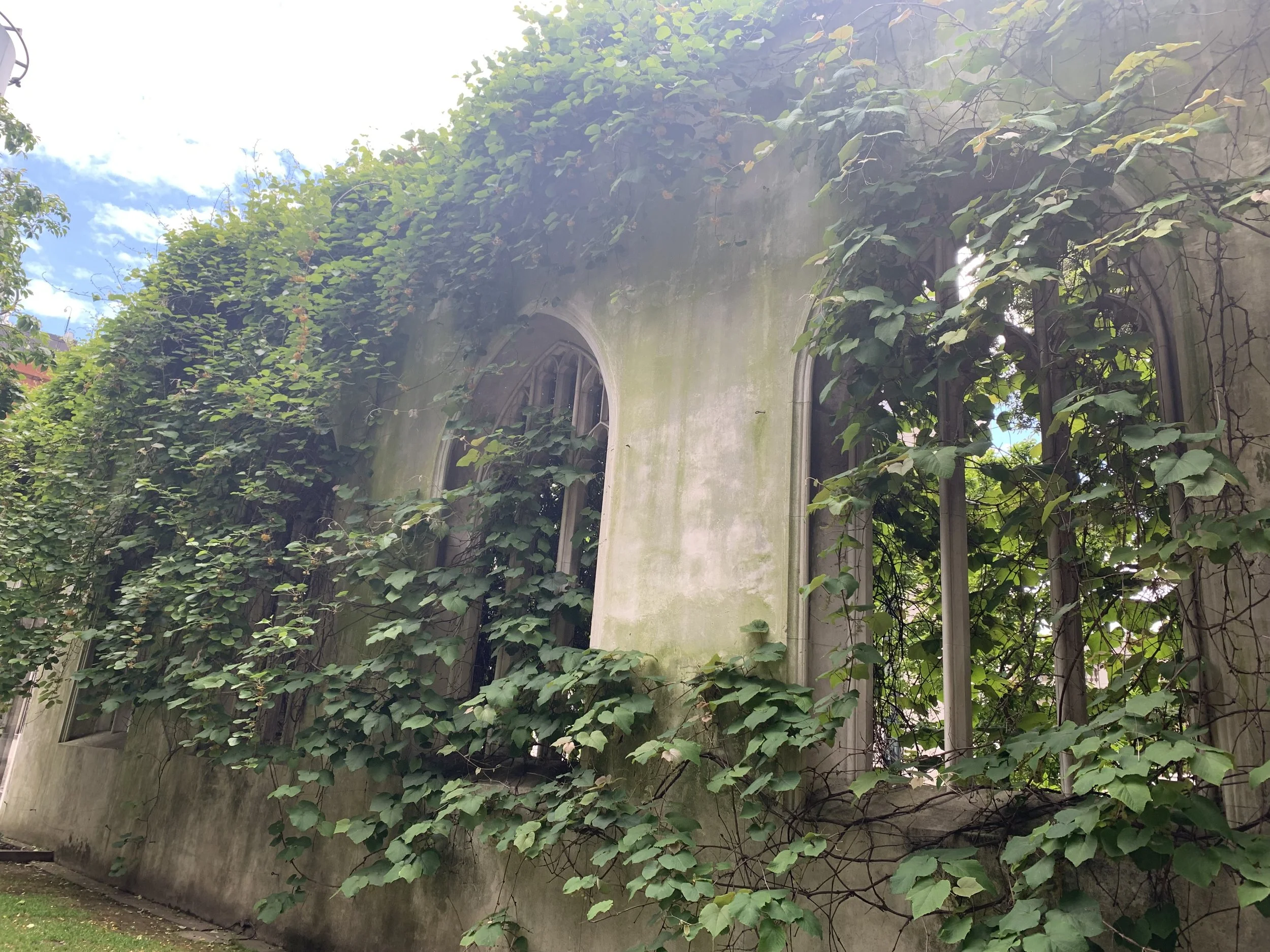
Header image: St. Dunston in the East Church Garden, London